Tallaksen Builders Providing Expert Craftsmanship and Attention to Detail
Proven Home Builder Services for Your Ideal Project
Picking a solid home builder represents a essential step in fulfilling one's dream home. Vital traits, including smart project management and honest budgeting, can greatly impact the final result. Moreover, comprehending the key services a builder should provide is equally important. As homeowners navigate this demanding process, several factors merit detailed review. What specific attributes should one prioritize when picking a builder for this considerable investment?
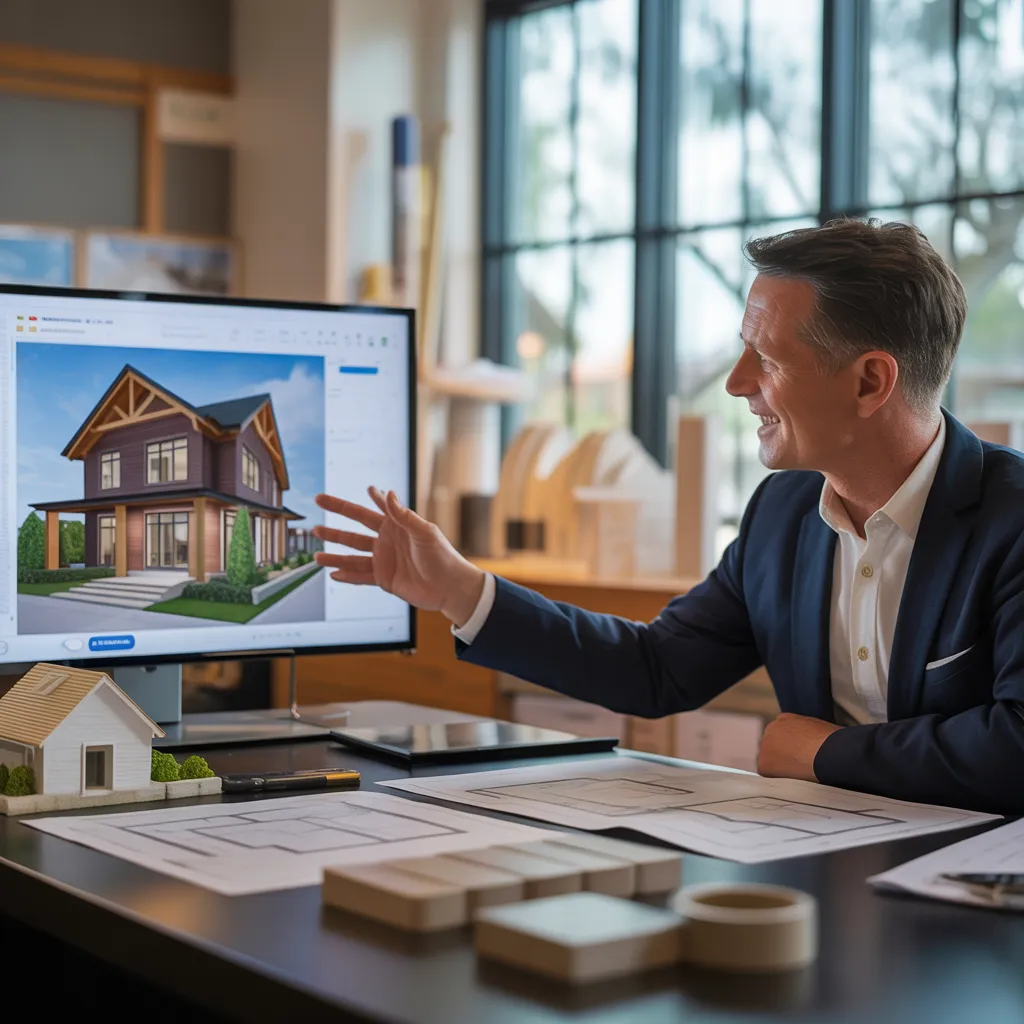
Essential Characteristics of a Reliable Home Contractor
When choosing a home builder, grasping the important traits that characterize a trustworthy professional is critical. Integrity is paramount; a credible builder maintains candor in all business dealings, ensuring clients are educated and at ease throughout the process. Expertise also serves as an important factor; seasoned builders hold the understanding to navigate challenges effectively and can guide clients through design and regulatory complexities.
Additionally, strong communication skills are necessary, as they facilitate clear interactions and quick replies to client inquiries. A trusted contractor should also demonstrate a commitment to quality, using durable materials and skilled craftsmanship to ensure lasting results. Finally, favorable customer reviews and a solid portfolio showcase a contractor's standing and dependability. By recognizing these important attributes, customers can make informed decisions and choose a builder who aligns with their goals and principles.
Key Offerings a Quality Home Builder Should Offer
A quality home builder delivers a range of vital services that secure a smooth and prosperous construction process. First, they supply thorough design and planning services, which feature consultations to understand the client's vision and preferences. This assures that the project matches the homeowner's expectations from the outset.
In addition, a dependable builder processes all required permits and compliance standards, simplifying the often complicated legal requirements of construction. They also furnish management services services, coordinating subcontractors, materials, and timelines effectively to minimize delays and disruptions.
Furthermore, quality home builders often offer transparent budgeting and cost estimation, enabling clients to make informed decisions throughout the project. After construction, many builders extend services such as warranties and post-construction support, guaranteeing lasting contentment. By offering these vital offerings, a reliable home builder plays a pivotal role in converting a dream project into a reality.
Necessary Factors for Evaluating a Developer's Body of Work
When reviewing a construction company's portfolio, numerous critical criteria stand out as essential indicators of quality. Range of projects and breadth, craftsmanship, and uniformity of style play significant roles in gauging a contractor's capacity to fulfill diverse client needs. These factors collectively demonstrate insight into the construction firm's experience and overall creative direction.
Project Range and Variety
The variety and scope of projects serve as vital indicators in the evaluation of a builder's portfolio. A broad range of projects demonstrates the builder's adaptability and skill in handling different types and requirements. This includes residential homes, renovations, and commercial spaces, displaying the builder's competence to satisfy varied view this guide client needs. Evaluating the scope also means looking at project sizes, from small-scale remodels to expansive custom builds. A builder experienced in several project types reflects a comprehensive understanding of industry standards and challenges. Furthermore, a well-rounded portfolio signals a builder's ability to innovate and adapt solutions, assuring they can turn a client's vision into reality, regardless of complexity or scale. This diversity ultimately strengthens a builder's reputation and reliability.
Superior performance in Artisanship
Craftsmanship quality acts as a vital criterion in reviewing a builder’s portfolio, reflecting the expertise and detailed attention characteristic of their work. Prospective homeowners are advised to meticulously inspect completed projects, observing the precision in finishes, structural integrity, and overall aesthetics. Superior craftsmanship often features high-grade materials and techniques, observable in smooth surfaces, accurately aligned fixtures, and resilient installations. Builders who focus on craftsmanship usually demonstrate a commitment to excellence, guaranteeing each component meets rigorous standards. In addition, client testimonials can shed light on the builder's trustworthiness and dedication to quality. By assessing craftsmanship, homeowners can make educated decisions, ensuring their chosen builder aligns with their vision for a well-realized project.
Design Coherence and Style
Design uniformity and visual appeal are important factors in assessing a builder's portfolio, as they reflect the overall intent and design harmony of completed projects. A portfolio showcasing varied designs may suggest versatility; however, it should still copyright a recognizable style that aligns with the builder's brand. Clients should look for harmonious color schemes, complementary materials, and unified design features across different homes. Meticulous attention in design details, such as trim and lighting, additionally shows a builder's commitment to consistent style. Additionally, observing how a builder modifies their design principles while still producing a cohesive look across multiple projects can offer insight into their creative capabilities. Ultimately, design consistency assures clients that their vision will be realized seamlessly.
Why Honest Communication Is Essential in Home Building
Clear dialogue is vital in home building, as it establishes the basis for establishing standards among all parties involved. When issues arise, strong communication facilitates quick problem-solving, minimizing delays and misunderstandings. Furthermore, open dialogue fosters strong trust, which are crucial for successful project completion.
Creating Distinct Guidelines Upfront
Effective communication is essential in the home building process, as it sets the foundation for a successful project. Establishing clear expectations between homeowners and builders is important to avoid misunderstandings. This involves outlining timelines, budget constraints, and design preferences from the outset. When expectations are communicated effectively, both parties can align their visions and objectives, leading to a smoother workflow. Regular updates and open dialogue foster transparency, enabling homeowners to feel involved and informed throughout the project. Furthermore, clear expectations help builders manage resources efficiently, minimizing delays and potential conflicts. By prioritizing clear communication, homeowners and builders can work collaboratively towards realizing the dream project without unnecessary complications. Ultimately, this approach enhances satisfaction and trust in the home building experience.
Supporting Speedy Problem-Solving
Navigating the intricacies of home building frequently requires quick decision-making and problem-solving. Open communication among builders, clients, and subcontractors is critical for managing unexpected challenges smoothly. When difficulties emerge, timely and clear dialogue allows immediate problem detection, reducing delays and lowering stress. Builders who prioritize open lines of communication can quickly relay information, ensuring that all parties are aligned on solutions. Such a proactive strategy promotes quick resolutions and also empowers clients to make knowledgeable decisions. By cultivating clear communication habits, home builders improve their capacity to overcome obstacles proficiently, leading to successful project completion and stakeholder satisfaction.
Enhancing Trustworthy Connections
Building credence among all parties involved in home construction is highly dependent on consistent communication. Clear dialogue promotes collaboration between homeowners, builders, and subcontractors, ensuring everyone is aligned on project goals and expectations. Regular updates and open channels for feedback allow the timely resolution of concerns, lessening misunderstandings. When builders communicate timelines, budgets, and potential obstacles transparently, homeowners feel more secure in their investments. Additionally, establishing rapport encourages a cooperative atmosphere, which can lead to innovative solutions and creative input. Ultimately, by prioritizing effective communication, all stakeholders can forge stronger relationships, paving the way for successful projects and satisfied clients. This trust enhances the overall experience, making the home-building journey more enjoyable and less stressful.
Guidelines to Allocate Carefully for Your Home Prudently
How can homeowners ensure their financial situation align with their ideal home goals? A well-structured financial plan is vital for making informed decisions. First, property owners should assess their financial situation by determining total income, current debts, and monthly expenses. This assessment helps establish a realistic budget for home construction.
Next, developing a comprehensive list of anticipated costs is important. Homeowners should include land acquisition, materials, labor, permits, and unforeseen costs, often known as a emergency budget. Setting a priority list for features can direct spending and ensure essential elements are paid for first.
Additionally, homeowners should investigate funding solutions, such as loans, subsidies, or reserves, to secure necessary funds. Regularly tracking costs against the budget can help sustain financial discipline throughout the renovation. By adhering to these strategies, homeowners can properly oversee their finances and realize their ideal home vision without exceeding budgets.
What to Anticipate in the Residential Construction Procedure
As homeowners start the process of building their desired property, recognizing the several components of the development sequence is essential for a positive result. The sequence typically initiates with pre-construction planning, where homeowners partner with builders to confirm layouts, expenditures, and timeframes.
Once plans are approved, the foundation work begins, which encompasses site preparation and pouring the foundation. Following this, the framing phase establishes the structure of the home, enabling a clearer vision of the finished result. After framing, utilities such as pipe work, wiring, and HVAC systems are installed.
Following this, external and internal finishes are applied, converting the area into a comfortable home. The final step requires inspections and getting necessary approvals before closing. During this undertaking, clear dialogue with contractors guarantees that the work remains on schedule, matching the homeowners' expectations and vision.
Popular Inquiries Asked Regularly
How Do I Select the Right Home Builder for My Project?
To choose the best home builder, one should examine their reputation, analyze past projects, check licenses and insurance, evaluate interaction approaches, and obtain complete quotes. Recommendations from people you know and online reviews can also provide important understanding.
What Protection Do Home Builders Typically Provide?
Home builders typically offer protection plans that address structural defects, workmanship, and materials. Common lengths range from one to ten years, ensuring protection against substantial problems emerging after construction, building purchaser trust and happiness.
Can I Adjust Elements During the Building Phase?
Changes during the construction timeline are generally possible, but they may rely on the contract and stage of construction. Homeowners should liaise with builders in a timely manner to discuss options and any potential impacts on timelines and costs.
What Duration Should You Expect for a Standard Home Construction?
A conventional home project generally takes 6 to 12 months, reliant on multiple factors such as architectural scope, location factors, and weather. Postponements can take place, altering the complete timeline of the construction process.
What must I implement if Complications happen during Construction?
If problems occur during the construction phase, the homeowner should document the problems, communicate promptly with the construction company, and seek resolution. If required, consulting legal advice or a neutral third party may assist in resolving significant disputes effectively.